
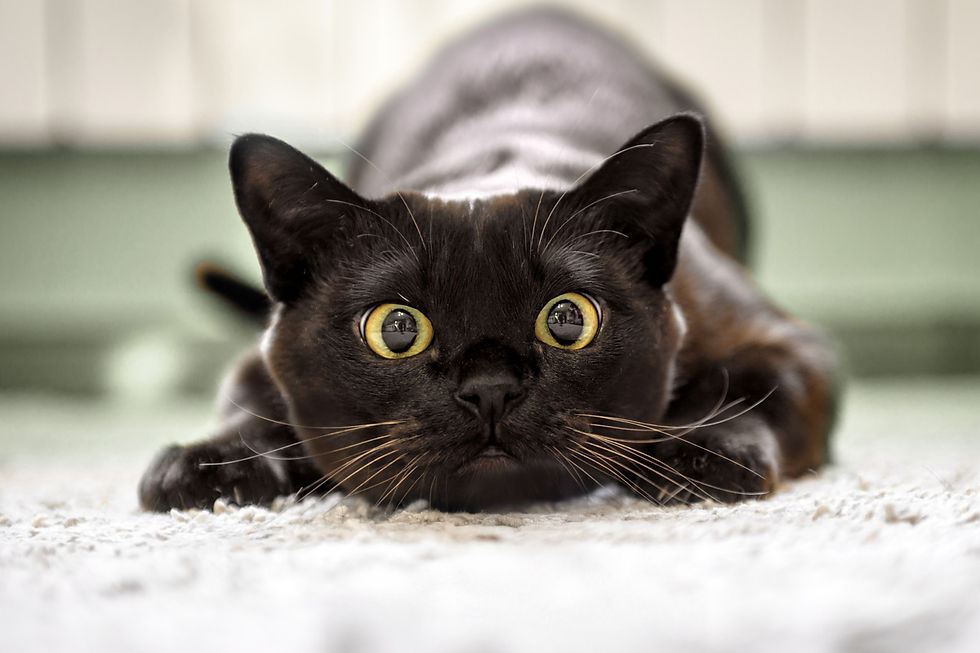
Playtime for Indoor Cats – Keep Them Active and Engaged
Toys, games, and routines to help your indoor cat stay healthy and happy
Indoor cats might be safer from traffic and territorial scraps, but they still need exercise and stimulation to thrive. Without regular play and enrichment, cats can become overweight, underactive or even stressed.
Common indoor cat challenges
Even if they seem calm on the surface, indoor cats may struggle with:
Weight gain or low energy
Boredom-related behaviour (like night-time zoomies or scratching)
Stress or anxiety, particularly in single-cat households
Simple play ideas that work
Cats are natural hunters – so mimic that instinct through short bursts of interactive play:
Use feather wands or fishing rod toys for a chase
Add cardboard boxes or paper bags for exploration
Hide treats in puzzle feeders or egg cartons
Place a perch near a window to watch the world go by
Schedule short breaks for play a couple of times a day
Rotate toys regularly to maintain interest, and don’t be afraid to try a bit of catnip, silvervine or valerian root to liven up their scent experience at home!
Time for a health check?
If your cat is less active than usual, gaining weight, or showing behaviour changes, it can be worth a quick check to rule out underlying health concerns. We’re always happy to help. Feel free to call us on 01689 477747 or book an appointment online for a tailored consultation.
Quick Tips:
Encourage hunting-style play in short daily bursts
Offer vertical space like cat trees or shelves
Rotate toys weekly and use puzzle feeders
Watch for signs of boredom or stress
Don’t be afraid to speak to us about tailored enrichment and diet advice