
Cats and Hot Weather
Helping Your Cat Stay Cool and Safe
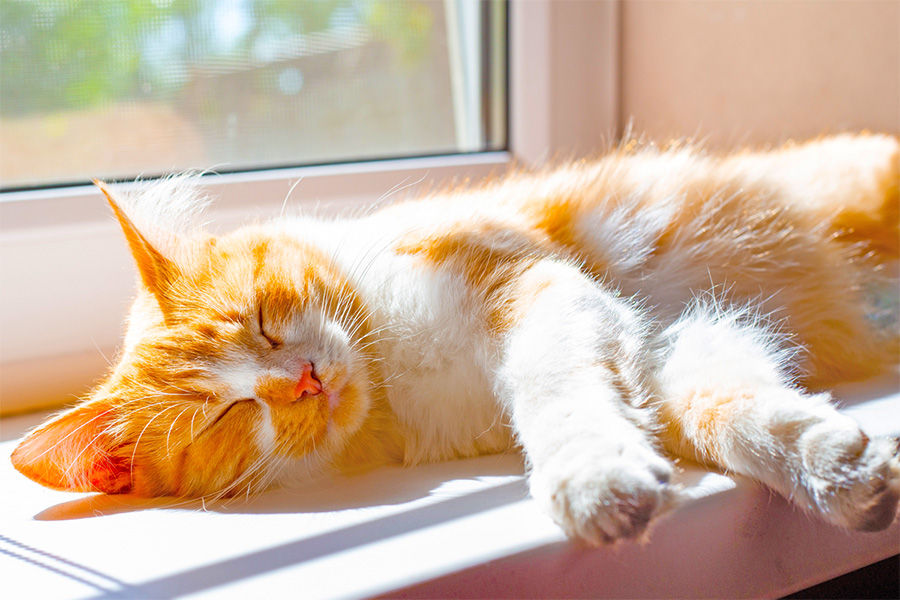
Many cats love a sunny windowsill, a warm patio, or a quiet spot in the garden. But with the hotter-than-average temperatures, it is important to remember that cats feel the heat too.
Cats are generally sensible about seeking shade, but they can still become dehydrated, overheated, or sunburnt – especially older cats, kittens, long-haired cats, pale-coated cats, and those with existing health conditions.
Help your cat stay hydrated
Cats are not always enthusiastic drinkers, so it is worth making water as easy and appealing as possible.
Place several bowls of fresh water around the home, especially in quiet, shaded areas. Many cats prefer wide, shallow bowls so their whiskers do not touch the sides.
You could also try:
A pet water fountain
Adding a little extra water to wet food
Offering wet food if your cat usually eats dry food
Refreshing water bowls regularly
Keeping water away from food bowls and litter trays
Placing extra bowls near favourite resting spots
Outdoor cats should always have access to shade and fresh water, especially if they spend time in the garden during the day.
Keep indoor spaces cool
Even indoor cats can become uncomfortable if the house heats up. Simple ways to help include:
Keeping curtains or blinds partly closed on sunny windows
Giving access to cooler rooms or tiled floors
Using fans safely, where your cat cannot knock them over
Avoiding shutting cats in conservatories, sheds, greenhouses or hot rooms
Making sure they can move freely to find a cooler spot
Conservatories and garden rooms can become dangerously hot very quickly, even when the rest of the house feels comfortable.
Protect against sunburn
Cats with white fur, pale ears, pink noses, thin coats, or hairless areas are more vulnerable to sunburn. Sunburn may appear as red, sore, flaky or crusty skin. To help protect your cat:
Keep vulnerable cats indoors during the hottest, sunniest part of the day
Provide plenty of shaded resting places
Use a cat-safe sunscreen on vulnerable areas
Never use human sunscreen unless your vet has confirmed it is safe for cats
Contact us if you notice redness, scabs, sores, hair loss or changes to the skin
Grooming can help
Regular brushing removes loose fur and can help your cat feel more comfortable in warm weather.
This is especially useful for long-haired cats, older cats, overweight cats, or cats who find grooming difficult. Matted fur can trap heat and irritate the skin, so please get in touch if your cat’s coat is becoming tangled or hard to manage.
Avoid shaving your cat unless advised by a vet or professional groomer, as the coat also helps protect the skin from the sun.
Extra care for older cats and cats with health conditions
Senior cats and cats with kidney disease, heart disease, diabetes, thyroid problems, breathing issues, obesity or mobility problems may find hot weather harder to cope with.
Make sure food, water, litter trays and resting places are easy to access. If your cat struggles with stairs, try to keep everything they need on one level during hot days.
Signs of heat-related illness
Cats are very good at hiding when they feel unwell, so early signs of heat stress can be easy to miss. Keep a closer eye on your cat’s normal habits when it’s hot. Are they eating? Drinking? Using the litter tray? Moving around comfortably? Resting somewhere cool?
Signs to watch for include:
Being quieter or more lethargic than usual
Hiding away more than normal
Reduced appetite
Sticky or dry gums
Drinking much more or much less than usual
Passing less urine
Restlessness or moving from place to place
Drooling
Panting or open-mouth breathing
Need advice?
With hotter-than-average weather arriving early this year, now is a good time to check that your cat is ready for whatever the British summer brings. Whether you are worried about sunburn, hydration, grooming, or how your older cat is coping with the heat, we're here to help, get in touch.
If your cat seems unusually tired, off their food, wobbly, disorientated, or their breathing changes, please contact your vet.
Quick tips
Keep several water bowls topped up
Offer shaded, cool resting places
Keep vulnerable cats out of strong midday sun
Use cat-safe sunscreen on pale ears, noses and thinly furred areas
Brush regularly to remove loose fur
Never leave cats shut in conservatories, sheds or hot rooms
Watch for panting, drooling, lethargy or behaviour changes
Contact your vet urgently if you are concerned